Last updated: November 16, 2026
Botox for grinding teeth may ease jaw-muscle pain and reduce clenching force for some adults, but it may not stop grinding or repair worn teeth. If you have jaw pain or signs of tooth damage, the question is whether muscle treatment, dental protection, or both fit your symptoms.
Can Botox Be Used for Teeth Grinding?
Yes, injections into jaw muscles may reduce clenching force and related pain for some adults who grind their teeth. At Botox In Midland, we offer jaw-muscle Botox treatment for teeth grinding. Dental evaluation remains important when teeth show wear or damage.
Using Botox for bruxism is off-label: its FDA-approved cosmetic uses include frown lines, forehead lines, and crow’s feet, not teeth grinding. A dentist can assess worn, chipped, or sensitive teeth and determine whether sleep-related grinding calls for dental protection or other care.
How Does Masseter Botox Reduce Clenching?
Masseter Botox for bruxism temporarily weakens a jaw muscle used during biting and chewing. The goal is to reduce the force of contractions, which may ease muscle pain even if grinding still occurs. Clenching means pressing your teeth together, whereas grinding means rubbing them against one another; not all jaw pain comes from either habit.
Botulinum toxin type A reduces signals that tell the injected muscle to contract. Treatment therefore targets muscle activity rather than the tooth surfaces or the underlying cause of every jaw symptom. Our guide to masseter Botox and TMJ relief explains how this muscle-focused approach differs from its cosmetic use for jaw slimming.
Does Botox for Grinding Teeth Actually Work?
Botox may reduce bruxism-related pain, grinding events, and bite force, but the evidence does not establish a dependable result for every patient. Pain relief is a reasonable possibility, not a promised outcome.
A 2025 overview in Toxins examined 14 systematic reviews and reported these counts of reviews finding a reduction. Not all 14 reviews necessarily assessed each outcome:
| Outcome | Reviews reporting a reduction |
|---|---|
| Pain | 10 |
| Frequency of bruxism events | 7 |
| Maximum bite force | 5 |
Every included review received a low or critically low AMSTAR-2 rating, and the reviews substantially overlapped in the studies they considered. None adequately evaluated effects on functional movements such as chewing and jaw movement. A 2019 systematic review included four randomized clinical trials and reported reductions in grinding episodes, pain, and maximum bite force. The later overview’s quality concerns are a reason to keep expectations cautious.
Who Is a Good Candidate for Masseter Botox?
An adult with persistent jaw-muscle clenching or pain may be a candidate for masseter Botox after an appropriate assessment. Grinding alone does not establish that injections will help. A qualified clinician needs to review symptoms, jaw-muscle activity, medical history, and whether tooth wear, a joint condition, or a sleep-related concern calls for dental or other care.
In clinical practice, the useful distinction is whether muscle overactivity appears to contribute to the discomfort. Someone primarily concerned about damaged teeth may need protection for those teeth even if reducing clenching force is also worth discussing.
How Does Botox Help TMJ Symptoms?
Botox may help TMJ symptoms when overactive jaw muscles contribute to pain, clenching, or clenching-associated headaches. Relaxing those muscles can lessen the strain a person feels, but injections do not correct every problem involving the jaw joint. Because TMJ symptoms have different causes, muscle-related relief should not be confused with a diagnosis or a cure.
A TMJ disorder can involve the jaw joint, the surrounding muscles, or both. Botox injections for TMJ symptoms are off-label, distinct from Botox’s FDA-approved cosmetic uses.
What Happens During a Jaw Botox Appointment?
During a jaw Botox visit, we follow these steps:
- We discuss your symptoms, including where pain occurs, when clenching happens, and whether chewing or jaw movement is already difficult, then examine your jaw.
- We recommend a treatment plan and review consent.
- If treatment is appropriate, we use a fine needle to inject the targeted muscles.
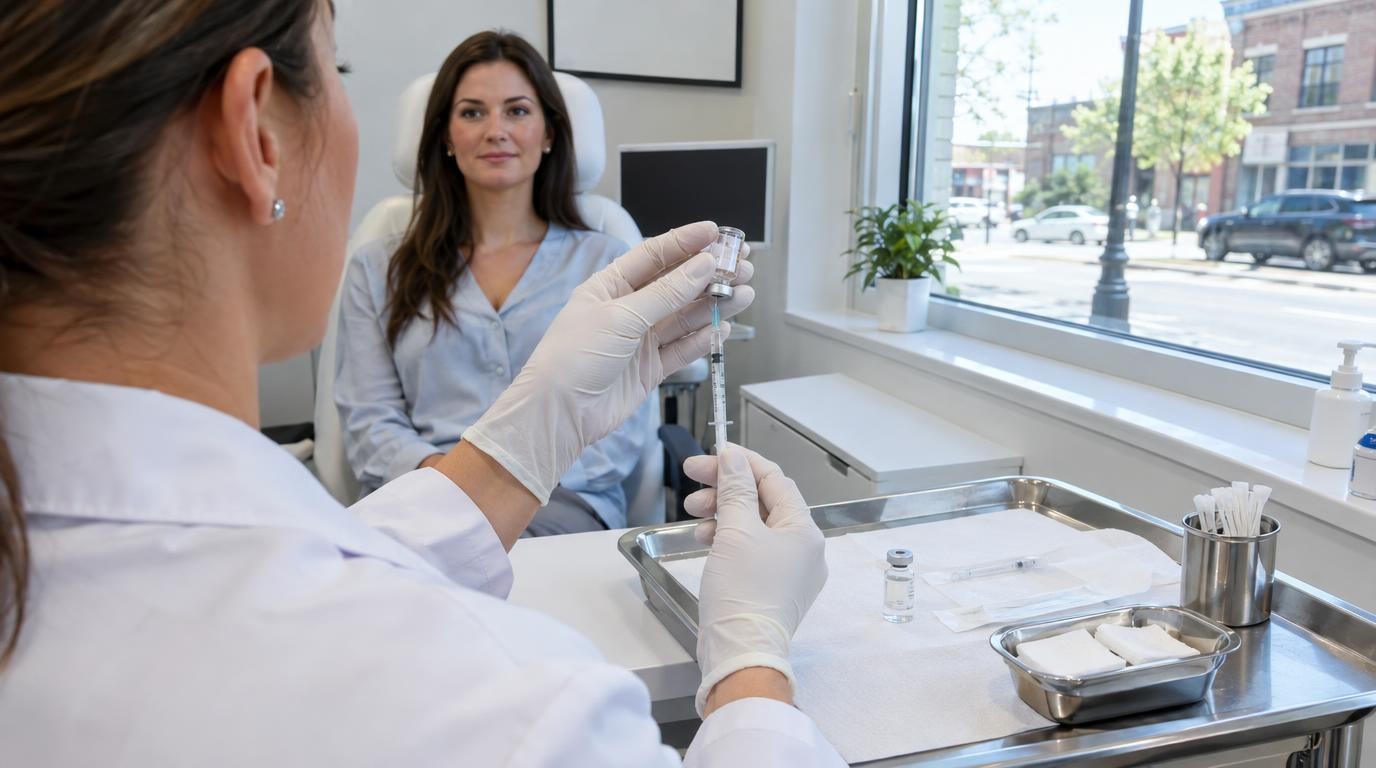
At Botox In Midland, a first Botox appointment takes about 30 minutes; the injection plan for jaw symptoms is individualized.
Most people can resume normal activities immediately after Botox injections, although individual experiences vary. Our Botox aftercare guide covers the period after treatment.
When Might Results Appear, and How Long Could They Last?
For Botox treatment generally, we estimate that effects may begin in two to three days and reach fuller effect in about two weeks. For jaw-muscle treatment, we estimate an effect lasting three to six months. These are estimates, not guarantees for teeth grinding; the response helps determine whether another treatment makes sense.
Jaw-muscle response may be judged by changes in discomfort, clenching force, and day-to-day function rather than by an expectation that all grinding will cease. Because the effect is temporary, any decision about further injections should take account of both symptom relief and unwanted effects, including changes in chewing.
How Does Jaw Botox Compare With a Night Guard?
Jaw Botox and a night guard serve different purposes, and some people may need both. Here is how they differ:
| Jaw Botox | Night guard or splint | |
|---|---|---|
| What it targets | Jaw-muscle contractions | Tooth-to-tooth contact during sleep |
| Potential benefit | May reduce clenching force and related discomfort | Helps protect teeth from grinding pressure |
| Limit | Does not repair worn teeth or reliably stop grinding | May not relieve jaw pain or stop grinding |
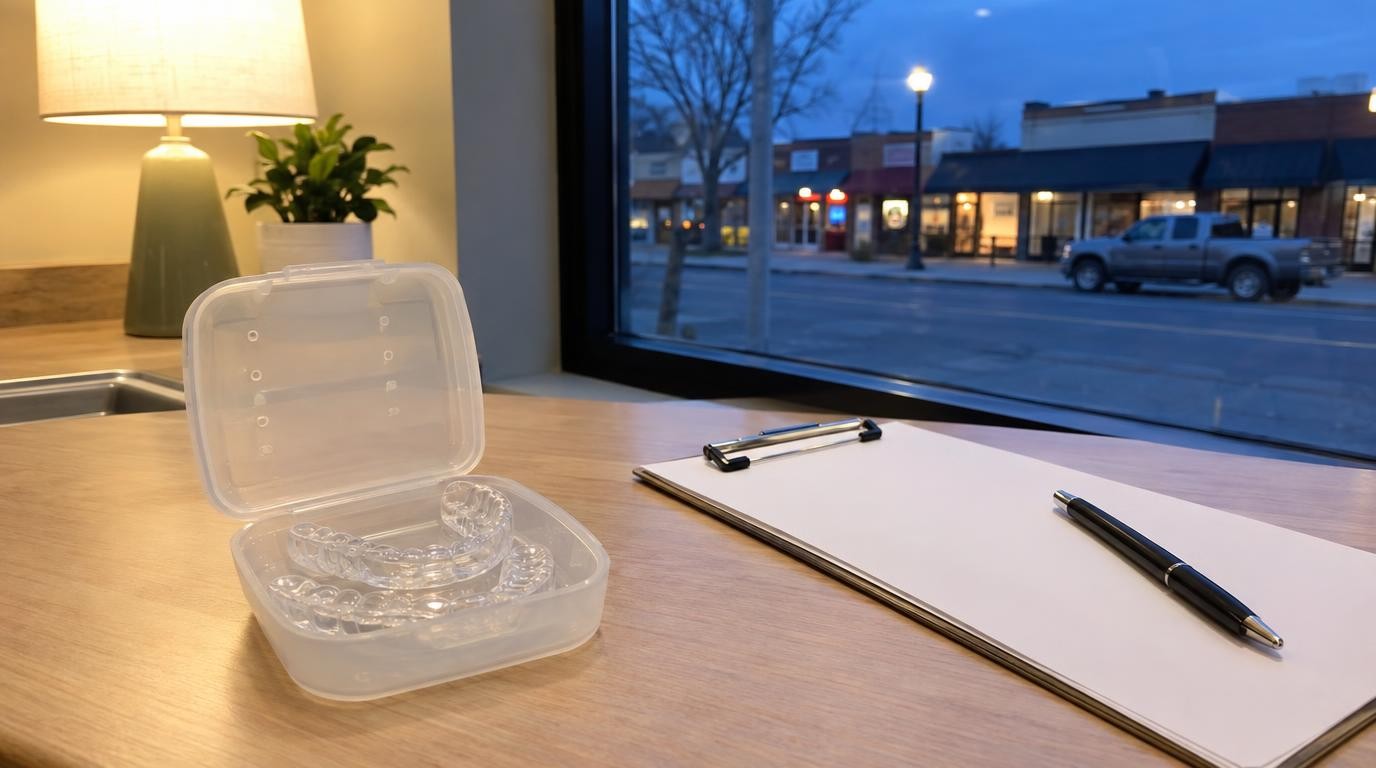
The MedlinePlus medical encyclopedia on bruxism notes that splints can fit over upper or lower teeth and that pain may return when a person stops using one. A dentist can assess whether a splint fits and protects your teeth.
The 2019 systematic review also lists cognitive-behavioral therapy and medication among treatment approaches. A clinician can assess whether either belongs in your care plan.
What Are the Risks, Side Effects, and Reasons to Avoid Jaw Botox?
Jaw Botox can cause temporary injection-site redness or swelling, and there is a small risk of bruising that may last up to a week. Some people develop a headache. Weakening a chewing muscle may change how chewing feels, while effects on nearby facial muscles can cause an uneven smile. The reviewed bruxism evidence did not adequately assess chewing and jaw movement, making these possible effects important to consider.
Rarely, botulinum toxin can spread beyond the injection area and affect other muscles, including those involved in breathing, swallowing, or speaking. Seek urgent medical care if you develop trouble breathing, swallowing, or speaking after an injection. For more on expected and less common reactions, see our Botox side effects and safety guide.
We do not recommend Botox if you are trying to become pregnant, are pregnant, or are breastfeeding. Botox should not be injected if you have an infection at a proposed injection site or a known allergy to a botulinum toxin product or one of its ingredients. Neuromuscular conditions, swallowing or breathing problems, and certain medicines may increase treatment risks. Talk with your own licensed clinician about your history, possible side effects, and whether jaw-muscle injections are appropriate for you.
Frequently Asked Questions
Can Botox for teeth grinding change the shape of my face?
Yes. Masseter Botox may reduce muscle bulk and make the lower face look slimmer, as an article by Ashley Amalfi, MD, on the American Society of Plastic Surgeons website explains. That change may be unwanted if your goal is only to ease clenching.
Which muscles get Botox injections for teeth grinding?
The masseter muscles are common injection targets; the temporalis muscles at the sides of the head have also been studied for bruxism. At Botox In Midland, we examine your jaw symptoms before recommending which muscles, if any, to treat.
Do Botox injections in the jaw hurt?
Jaw Botox injections may cause a brief pinch, but discomfort is usually minimal. Topical numbing cream is an option if you are concerned about the injections. At Botox In Midland, small red bumps after Botox injections may last 15 to 20 minutes.
What happens if I stop getting Botox for teeth grinding?
As the muscle-relaxing effect wears off, your jaw may return to its previous clenching pattern, and related pain may return. If symptoms come back, ask your clinician to reassess them before deciding on further treatment.
What if my night guard does not relieve jaw pain?
Ask your dentist to reassess the splint’s fit and whether another design might help. Persistent pain also calls for an assessment of other possible causes, including jaw-joint problems or muscle overactivity. If clenching contributes to the pain, Botox may be worth discussing.
Can masseter Botox help with daytime clenching, or only nighttime grinding?
Masseter Botox may reduce the force of jaw-muscle contractions whether you clench during the day or grind at night. It does not necessarily stop the habit itself. For daytime clenching, noticing and interrupting the habit may also help, while a night guard can protect teeth during sleep.
How can I tell if I grind my teeth in my sleep?
You may suspect sleep grinding if someone hears it or you wake with jaw soreness, but you may not notice the grinding yourself. Jaw pain alone does not confirm grinding, because it can have other causes.
Is Botox for Grinding Teeth Worth Discussing in Midland?
Yes—if ongoing clenching or grinding comes with jaw-muscle pain, Botox may be worth discussing alongside any dental protection you need. An assessment can help determine whether muscle treatment fits your symptoms or another type of care should come first.
To explore whether jaw-muscle treatment fits your symptoms, contact Botox In Midland in Midland, Texas, for a professional consultation with Dr. Gibson and our team.
This information is general and is not medical advice. Talk to a licensed clinician about your own situation before making a treatment decision.
See before-and-after photos in the Botox In Midland gallery.