Last updated: November 16, 2026
Gummy smile with Botox can temporarily reduce gum show when overactive upper-lip muscles pull the lip too high as you smile. It cannot remove excess gum tissue or change the shape of your teeth or jaw, so finding the cause matters before deciding whether injections are likely to help.
What Is Gummy Smile With Botox, and When Does It Work?
Gummy smile Botox relaxes selected muscles that lift the upper lip, allowing the lip to cover more of the gums during a smile. The treatment is most relevant when upper-lip hypermobility causes the gum show. Botox cannot correct every cause of excessive gingival display, and the change is temporary.
What Counts as a Gummy Smile?
A gummy smile means that a noticeable amount of gum shows above the upper teeth when someone smiles. There is no need to treat a smile simply because some gum is visible; personal preference matters. At Botox In Midland, our Botox treatment service includes a discussion of your concerns and an examination before treatment recommendations are made.
A 2023 Cureus narrative review of gummy-smile treatment identified overactivity of the upper-lip muscles as a commonly reported cause. The review found that botulinum toxin can reduce gum show caused by lip movement, while emphasizing that its effect is reversible. Gummy-smile injections are an off-label cosmetic use, distinct from Botox’s FDA-approved uses for certain facial lines.
Why Does the Cause of Gum Show Matter More Than the Amount?
Botox changes muscle activity; it does not remove gum tissue, lengthen visible tooth surfaces or reposition the jaw. A smile with substantial gum show caused mainly by lip movement may respond better than one with less gum show caused mainly by tooth or gum anatomy. The useful question is not just how much gum shows, but why it shows.
How Can a Clinician Tell Whether Botox Will Help Your Gummy Smile?
A clinician assesses gummy-smile Botox by comparing the upper lip at rest with its position during a natural smile. The assessment also considers tooth appearance, gum tissue, lip length and jaw structure. Together, those findings help distinguish upper-lip hypermobility from causes that muscle relaxation is unlikely to correct.

Which Smile Patterns Help Guide the Assessment?
Gum display may be most noticeable above the front teeth, toward the sides, across both areas or more on one side than the other. These are often described as anterior, posterior, mixed and asymmetric patterns. In clinical practice, watching where the lip lifts helps an injector assess which muscles are active; a single injection map does not suit every smile.
When Might Teeth, Gums, or Jaw Structure Need a Different Approach?
Teeth that appear short, gum tissue that covers more of the teeth, or the position of the upper jaw can contribute to excessive gingival display. A lip that is short at rest may also need a different assessment from a lip that rises unusually high only during smiling. If those features appear central to the concern, dental or specialist evaluation may be more useful than Botox alone.
How Is Botox Used to Reduce Gum Show?
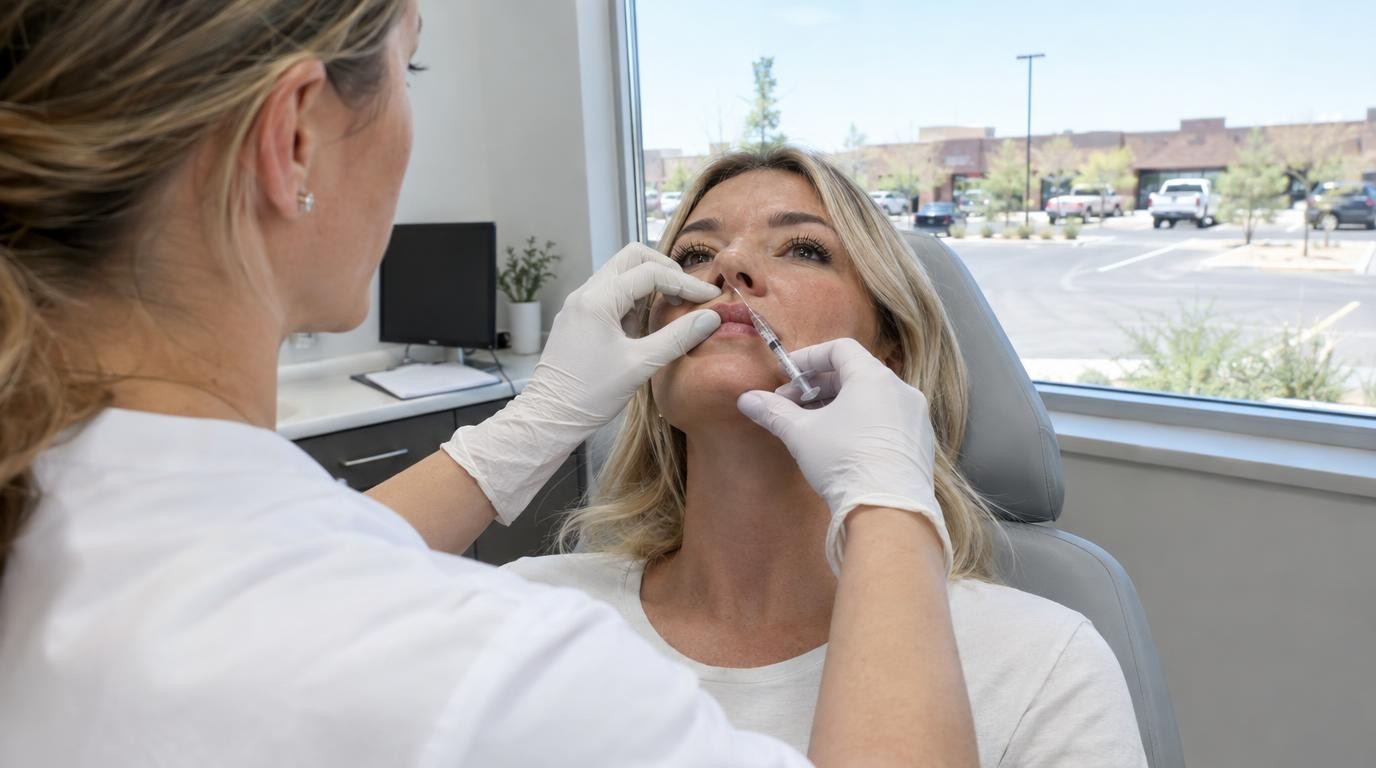
When upper-lip muscle activity is the likely cause, a qualified injector places small Botox injections in selected muscles that elevate the lip. The aim is to soften excessive upward movement, not to stop a person from smiling. Muscle choice and placement depend on the examination, so there is no universal injection point or dose.
What Happens at the Consultation and Injection Appointment?
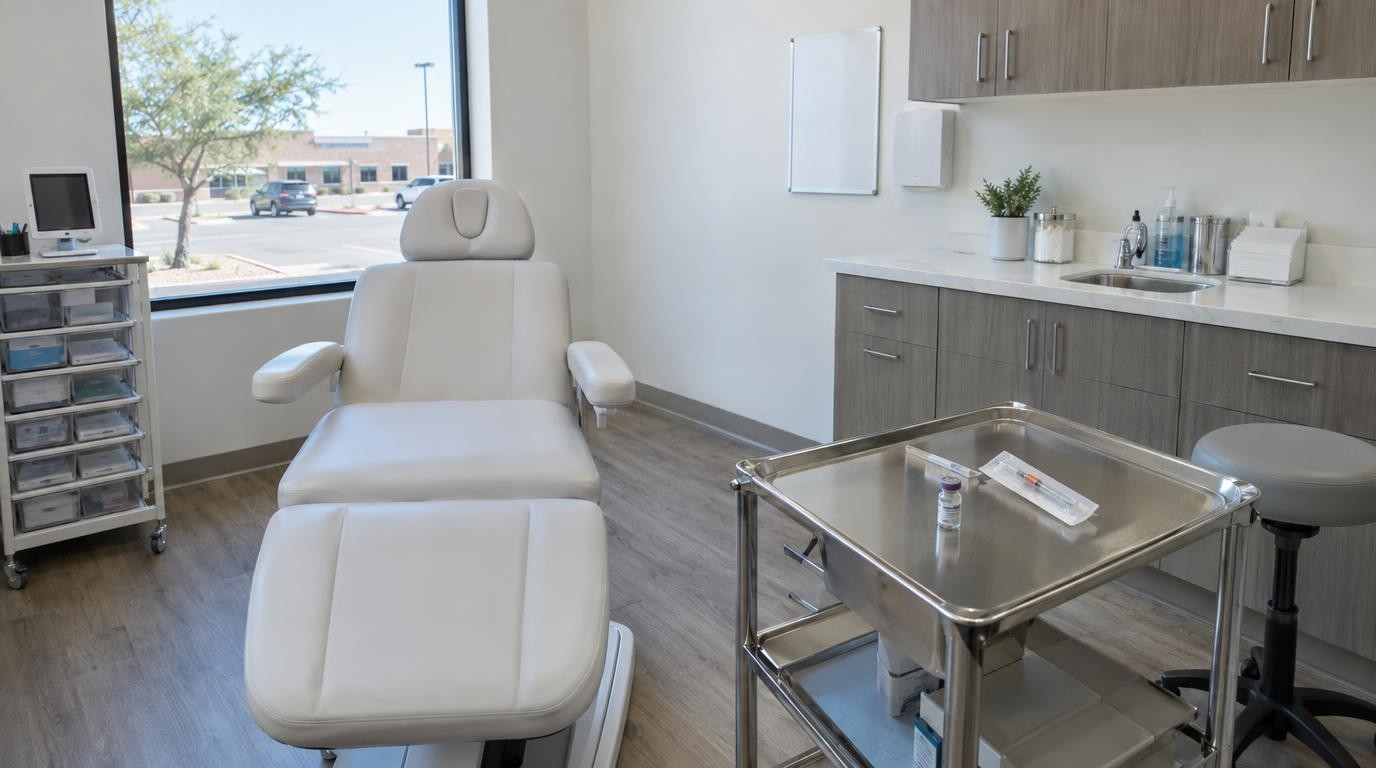
- Smile assessment: The injector observes your lip at rest and while you smile, then discusses the change you hope to see.
- Recommendation and consent: You review whether Botox is appropriate, its temporary nature, possible smile changes and other options before agreeing to treatment.
- Injection: If treatment is appropriate, the injector uses a fine needle to treat the selected muscles.
At Botox In Midland, a first Botox appointment takes about 30 minutes, and follow-up appointments may be shorter.
What Should You Expect After Gummy Smile Botox?
Gummy-smile Botox develops gradually rather than producing a dependable change as soon as the injections are finished. With Botox treatment at our clinic, changes may begin in 2 to 3 days, become clearer within a week, and take up to 2 weeks to fully develop. An individual upper-lip result may differ.
When Might You Notice a Change in Your Smile?
The 2023 Cureus narrative review reports that gummy-smile effects are usually observed within 1 to 2 weeks, although your response may differ. As the treated muscles relax, your upper lip may rise less when you smile. For a broader explanation of the gradual response, see our Botox results timeline.
Is There Downtime After the Injections?
Most people can return to usual activities promptly. Mild redness, swelling or small bumps around injection sites may settle quickly; a mild headache is also possible afterward, and bruising can last up to a week. Mayo Clinic advises against rubbing or massaging the treated area for 24 hours or lying down for 2 to 4 hours after injections. Our Botox aftercare guide covers other general precautions.
How Long Does Botox Gummy Smile Last?
An American Society of Plastic Surgeons article on gummy-smile treatment estimates results last about 3 to 4 months, while the 2023 Cureus narrative review reports 4 to 6 months for gummy-smile treatment with botulinum toxin. Individual results vary; as muscle movement returns, gum show may return, and maintaining a change may require repeat treatment.
Botox In Midland estimates 4 to 6 months for wrinkle treatments generally; that estimate does not predict how long your upper-lip result will last.
Can Gummy Smile Botox Go Wrong?
The Cureus narrative review reports that complications were rarely reported in the gummy-smile studies it reviewed. Possible effects include bruising or swelling at an injection site and an uneven or altered smile if nearby muscles are affected or the upper lip relaxes too much. An allergic reaction is also possible: contact your treating clinician promptly for a new rash or hives, and seek urgent medical care for swelling of your face, lips, tongue or throat. Individualized assessment and placement may reduce risk but cannot eliminate it; discuss your medical history and concerns with your treating clinician.
Who Should Avoid or Postpone Gummy Smile Botox?
We do not recommend Botox if you are trying to become pregnant, are pregnant or are breastfeeding. Botox should not be injected if you have a known allergy to a botulinum toxin product or an infection at the planned injection site. Tell us about previous reactions to botulinum toxin, neuromuscular conditions, swallowing or breathing problems, and medicines you take so we can assess your risk.
An overly relaxed upper lip can affect expression or everyday mouth movements. An article on the American Society of Plastic Surgeons website notes that excessive upper-lip neuromodulator treatment may make drinking through a straw or maintaining a lip seal difficult. Contact Botox In Midland if your smile changes unexpectedly or you have difficulty with those movements. Seek urgent medical care if you develop trouble breathing, swallowing or speaking, or widespread muscle weakness after an injection. Our Botox side effects and safety guide offers further general context.
How Does Gummy Smile Botox Compare With a Lip Flip or Dental Treatment?
Gummy-smile Botox primarily aims to reduce excessive upper-lip elevation, while a lip flip aims to change how the upper lip appears. The techniques may involve nearby muscles, but their goals are not interchangeable. When gum tissue, tooth appearance or jaw structure drives the concern, relaxing a lip muscle may not address the underlying cause.
A lip flip is generally intended to make more of the upper lip visible; it should not be assumed to be the right gummy-smile treatment. Depending on the cause, other options may include gum-contouring treatment for excess gum tissue, orthodontic treatment for tooth-position concerns, or jaw surgery for a skeletal cause.
Is Gummy Smile Botox Worth It?
Gummy-smile Botox may be worthwhile when upper-lip hypermobility is the main cause and a person wants a subtle, temporary change. It may be disappointing when gum or tooth anatomy or jaw position is the main cause, or when the goal is a lasting correction. The decision depends on the likely benefit, possible smile changes and willingness to maintain the effect.
Frequently Asked Questions
Do gummy smile Botox injections hurt?
Gummy smile Botox injections usually feel like a small prick or brief sting from a fine needle. If you are concerned about discomfort, you can request a topical numbing cream before treatment.
Can gummy smile Botox be reversed if I dislike the result?
There is no immediate way to reverse Botox’s muscle-relaxing effect after injection. An unwanted smile change generally improves as the treatment wears off. Contact our team for an assessment before considering additional injections.
How often can you get gummy smile Botox?
Mayo Clinic advises spacing follow-up Botox injections at least three months apart when maintaining an effect. Repeat gummy-smile treatment is considered as muscle movement and gum show return, rather than automatically on a fixed schedule.
What if gummy smile Botox does not work?
The Cureus review reports that gummy-smile effects are usually observed within one to two weeks. If you still notice no change after two weeks, the cause of gum show or the injection plan may need reassessment; a touch-up or a dental approach may be more appropriate.
Will my gummy smile get worse if I stop Botox?
No. As Botox wears off, the treated muscles resume their usual movement and gum show may return; stopping injections does not itself make gum show worse. Your smile may still change naturally over time.
Is gummy smile Botox the same as lip filler?
No. Gummy-smile Botox relaxes muscles that lift the upper lip; lip filler adds volume to the lip instead. The article on the American Society of Plastic Surgeons website distinguishes neuromodulator injections from filler injections. Filler does not relax the muscles that cause gum show when the upper lip rises too high.
What Should You Ask at a Gummy Smile Botox Consultation?
Use these questions to guide your decision:
- Is upper-lip hypermobility the main cause of my gum show?
- Where is gum display most noticeable when I smile, and how does that affect the treatment plan?
- What result and timeline are reasonable for my smile?
- What side effects or changes in mouth movement should I watch for?
- Would an assessment of my teeth, gums or jaw be more helpful first?
If you live in Andrews, Texas, you can bring those questions and your individual goals to Botox In Midland in Midland, Texas. Get in touch with Botox In Midland and Dr. Gibson to arrange a professional consultation and find out whether Botox is an appropriate option for your smile.
This information is general and is not medical advice. Talk to a licensed clinician about your own situation before making a treatment decision.