Last updated: August 31, 2026
As aesthetic medicine continues advancing, patients in the Permian Basin increasingly seek evidence-based assurance before choosing facial enhancement treatments. A recently completed juvéderm clinical trial, sponsored by AbbVie, is adding to the body of research validating Juvéderm fillers for adults who want to improve their overall facial appearance. This phase 4 study enrolled 75 participants across multiple sites and ran from late 2025 through mid-2026, reflecting a commitment to rigorous scientific validation of injectable treatments.
What Did the NCT07186595 Juvéderm Clinical Trial Reveal About Filler Safety?
The NCT07186595 juvederm clinical trial was designed to systematically evaluate how Juvéderm products perform when enhancing overall facial appearance in adult participants. AbbVie served as the lead sponsor, with enrollment conducted across 10 clinical sites. This phase 4 study reflected standard post-market research practices used to validate product performance across diverse patient populations in real-world treatment settings.

Who Can Participate in the NCT07186595 Study?
Enrollment criteria for this trial focused on healthy adults seeking aesthetic improvement who met established medical eligibility standards. Participants were evaluated for overall facial enhancement using validated assessment tools, allowing researchers to measure changes in appearance objectively. The study design enabled researchers to gather comprehensive data on how Juvéderm treatments perform across different facial areas and patient characteristics.
How Does This Trial Compare to Previous Juvéderm Research?
Earlier research established Juvéderm’s foundational safety and efficacy profile. A separate long-term durability study examined outcomes over extended periods, contributing to the extensive evidence base supporting these hyaluronic acid fillers.
What Is Juvéderm and How Does This Hyaluronic Acid Filler Work?
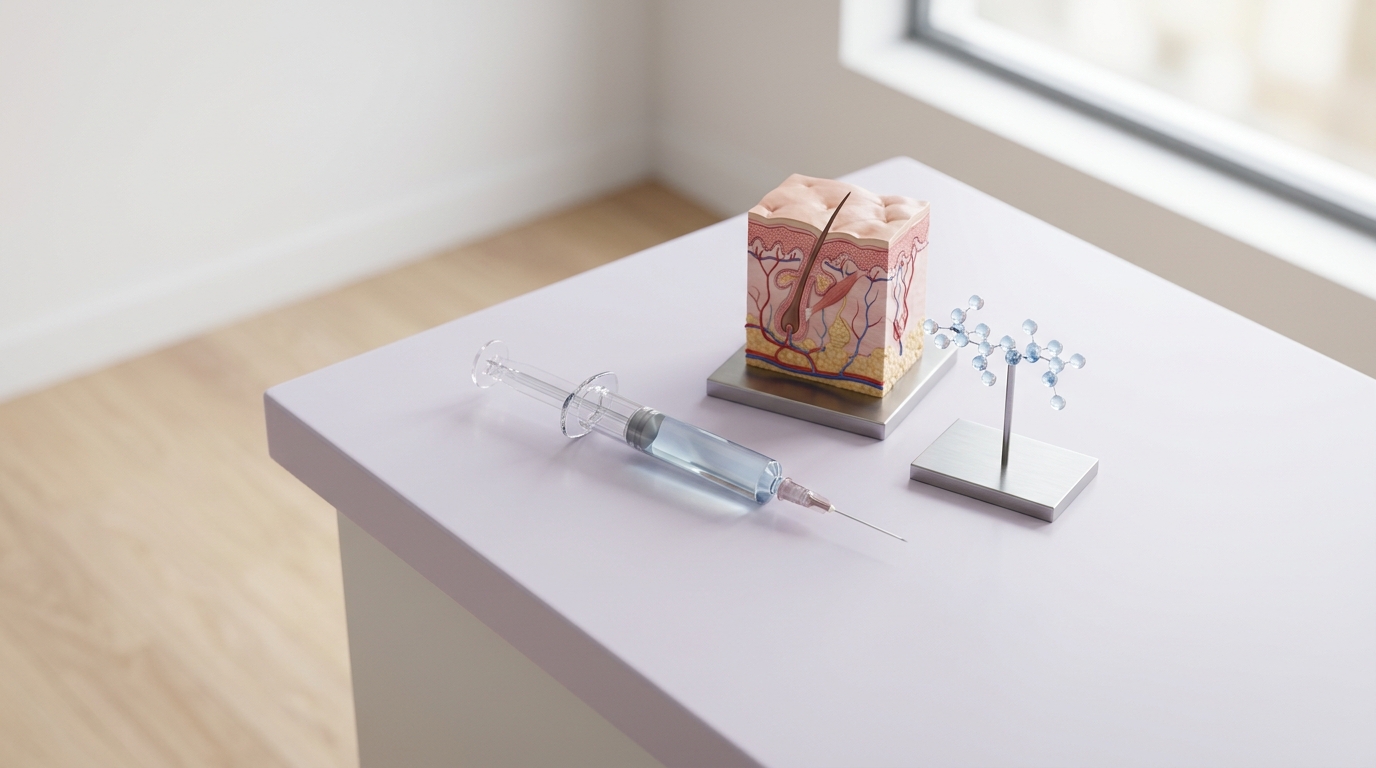
Juvéderm is an FDA-approved family of injectable dermal fillers formulated with hyaluronic acid, a substance that occurs naturally in human skin and possesses remarkable water-binding properties. These smooth, malleable gels are designed for precise injection into specific facial areas, where they add volume beneath the skin surface to smooth wrinkles and restore youthful contours. The hyaluronic acid composition means the fillers integrate with existing skin tissue.
What Makes Hyaluronic Acid Ideal for Facial Fillers?
Hyaluronic acid serves as an optimal filler material because it mimics the skin’s own hydrating molecules, creating natural-looking results rather than artificial-feeling volume. The HA in Juvéderm is cross-linked to create a gel that resists rapid breakdown, extending how long results remain visible. Patients in areas like Midland, Big Spring, and Odessa appreciate that these fillers offer customizable treatment approaches tailored to individual aesthetic goals.
What Areas of the Face Can Juvéderm Treat?
The Juvéderm collection addresses specific concerns across multiple facial zones, from fine lines around the mouth to volume loss in the midface. Treatment areas commonly include the lips, cheeks, nasolabial folds, marionette lines, and under-eye hollows, with different formulations optimized for different tissue depths and aesthetic goals. Providers assess each patient’s unique facial structure to determine which products and techniques will achieve the desired outcome.
Can Juvéderm Address Signs of Aging in Multiple Zones?
The versatility of the Juvéderm collection allows providers to treat various concerns during a single treatment plan, customizing approaches for temples, cheeks, chin, and jawline. Residents of communities including Stanton, Seminole, and Fort Stockton can discuss comprehensive facial rejuvenation strategies that address multiple aging indicators cohesively. This adaptability makes Juvéderm a cornerstone option in modern aesthetic medicine.
What Specific Concerns Can Juvéderm Address?
Common treatment targets include smile lines, marionette lines, lip lines, under-eye hollows, temple hollows, and cheek volume loss. Patients seeking chin enhancement, jawline definition, or lip augmentation can also benefit from these injectable treatments. Providers with specific training in Juvéderm techniques can achieve natural-looking refinements tailored to each individual’s facial proportions and aesthetic preferences.
Why Does the Juvéderm Clinical Trial Matter for Patient Safety?
Each study contributes data that helps providers refine techniques, understand patient outcomes, and communicate realistic expectations. This commitment to research reflects the professionalism of the aesthetic medicine field and reassures patients that treatments undergo rigorous evaluation. The juvéderm clinical trial process exemplifies this ongoing dedication to patient safety and treatment efficacy.
How Does Evidence-Based Practice Benefit My Treatment?
When providers base decisions on clinical evidence rather than anecdote, patients receive care grounded in demonstrated safety and efficacy data. Patients in Kermit, Monahans, and surrounding West Texas communities can feel confident that their providers prioritize scientific validation.
What Previous Landmark Studies Support Juvéderm?
The 2008 Pinsky et al. study established foundational evidence for Juvéderm Ultra and Ultra Plus, demonstrating superior and longer-lasting correction compared to collagen controls. Together with the completed NCT07186595 trial, these studies build a robust evidence base that informs modern treatment protocols.
Who Is an Ideal Candidate for Juvéderm Treatment?
Ideal candidates are healthy adults who want to address volume loss, smooth wrinkles, or enhance facial contours using a non-surgical approach. Candidates should have realistic expectations about outcomes and be committed to following pre and post-treatment guidelines. A thorough consultation helps determine whether Juvéderm aligns with individual aesthetic goals and medical circumstances, ensuring patients receive personalized recommendations for their unique facial enhancement needs.
What Should I Discuss During a Juvéderm Consultation?
Effective consultations cover aesthetic objectives, medical history, previous cosmetic procedures, and any allergies or sensitivities. Patients should share current medications and discuss any history of excessive scarring or pigmentation changes. This open dialogue enables providers in Pecos, Andrews, and across the Permian Basin to develop personalized treatment recommendations.
How Does Provider Experience Impact Juvéderm Outcomes?
Provider expertise significantly influences results, as precise injection technique, anatomical knowledge, and artistic judgment combine to achieve natural-looking enhancement. Board-certified providers with specific Juvéderm training bring calibrated skills that minimize risks and optimize aesthetic outcomes. Patients should inquire about a provider’s training, experience with the specific Juvéderm products being considered, and review before-and-after examples.
Risks, Side Effects and Who Is Not a Candidate
Like all injectable treatments, Juvéderm carries potential risks that patients should understand before proceeding. Common side effects include temporary redness, swelling, bruising, itching, and tenderness at injection sites, typically resolving within 14 days. More uncommon risks include infection, lumps, uneven results, or rare vascular complications. Juvéderm is contraindicated for patients with severe allergies, particularly to lidocaine or gram-positive bacterial proteins, and should not be used in areas with active inflammation or infection. Patients who are pregnant, breastfeeding, or under 21 should avoid these treatments.
Adults in Midland, Stanton, Crane, and throughout the Permian Basin who want to learn whether Juvéderm fillers suit their aesthetic goals are encouraged to schedule a consultation with Dr. Gibson and the team at Botox In Midland. The practice welcomes questions about how evidence-based filler treatments can address individual concerns, from smile lines to cheek volume and beyond.
Frequently Asked Questions
How long do Juvéderm filler results typically last?
Juvéderm Ultra maintained clinically significant correction beyond 9 months in approximately 75 percent of treated nasolabial folds, while Juvéderm Ultra Plus showed continued improvement in roughly 81 percent of cases at the same timepoint. Both formulations demonstrated sustained efficacy beyond one year in a substantial proportion of participants.
What is Juvéderm and how does it work?
Juvéderm is an FDA-approved family of injectable dermal fillers formulated with hyaluronic acid, a substance that occurs naturally in human skin. These smooth, malleable gels are injected into specific facial areas where they add volume beneath the skin surface to smooth wrinkles and restore youthful contours. The HA is eventually broken down naturally by the body.
What makes hyaluronic acid ideal for facial fillers?
Hyaluronic acid serves as an optimal filler material because it mimics the skin’s own hydrating molecules, creating natural-looking results rather than artificial-feeling volume. The HA in Juvéderm is cross-linked to create a gel that resists rapid breakdown, extending how long results remain visible while integrating naturally with existing skin tissue.
What areas of the face can Juvéderm treat?
Juvéderm products address specific concerns across multiple facial zones. Common treatment areas include the lips, cheeks, nasolabial folds, marionette lines, and under-eye hollows. The versatile collection also treats temple hollows, chin enhancement, and jawline definition. Different formulations are optimized for different tissue depths and aesthetic goals.
Who is an ideal candidate for Juvéderm treatment?
Ideal candidates are healthy adults who want to address volume loss, smooth wrinkles, or enhance facial contours using a non-surgical approach. Candidates should have realistic expectations about outcomes and be committed to following pre and post-treatment guidelines. A thorough consultation helps determine whether Juvéderm aligns with individual aesthetic goals and medical circumstances.
What are the common side effects after Juvéderm treatment?
Common side effects include temporary redness, swelling, bruising, itching, and tenderness at injection sites. These typically resolve within 14 days. Juvéderm is contraindicated for patients with severe allergies to lidocaine or gram-positive bacterial proteins and should not be used in areas with active inflammation or infection.
Why is ongoing clinical research important for filler safety?
Each study contributes data that helps providers refine techniques, understand patient outcomes, and communicate realistic expectations. This commitment to research reassures patients that treatments undergo rigorous evaluation.
Related reading
- JUVÉDERM in Midland, Texas: Why the #1 Dermal Filler Collection Leads
- Dermal Fillers: Your Complete Guide to Facial Restoration
- Restylane: Your Complete Guide to This Popular Dermal Filler
Sources
- Study Details | NCT07186595 | A Study to Evaluate the Safety and Effectiveness of JUVÉDERM Products in Adult Participants for the Change of Their Overall Facial Appearance | ClinicalTrials.gov
- Long-term efficacy, safety and durability of Juvéderm® XC – PMC
This article is general information and is not medical advice. Talk to a licensed clinician about your own situation before making a treatment decision.