Last updated: August 31, 2026
When patients ask whether hyaluronic acid lip fillers actually deliver lasting, natural-looking results, clinical science now offers a clearer answer than ever before. For individuals in Midland, Texas and across the Permian Basin considering lip augmentation, this research offers reassurance rooted in rigorous science rather than marketing claims.
What Does the New Clinical Research Say About Lip Augmentation?
When researchers randomly assign participants to receive an active treatment or a comparator, and when evaluators assessing outcomes remain unaware of which treatment each participant received, the findings carry substantially more weight than anecdotal reports or uncontrolled observations.
What Makes This Lip Filler Study Different?
The study referenced used a 2:1 randomization, meaning participants had a higher likelihood of receiving the test treatment rather than placebo, which benefits both participants and researchers by maximizing exposure to the investigational product while maintaining scientific validity. The evaluator-blinded design ensured that subjective assessments of lip fullness were not influenced by knowledge of which treatment a participant received, reducing bias in the primary outcome measurements. Participants tracked their own experiences through diary entries, providing additional data on how the treatment felt in daily life rather than just in a clinical setting.
What Did the Randomized Trial Demonstrate?
The primary endpoint focused on change in lip fullness from baseline to Week 8 after treatment, measured by trained evaluators who did not know which participants received which product. Secondary endpoints expanded the picture by assessing wrinkle severity, overall aesthetic improvement, and participant satisfaction throughout the study period. The 48-week duration allowed researchers to observe not just immediate results but how well the enhancement persisted over time, which matters greatly for patients seeking a treatment that balances visible improvement with reasonable longevity.
What Is Lip Augmentation and How Does It Work?
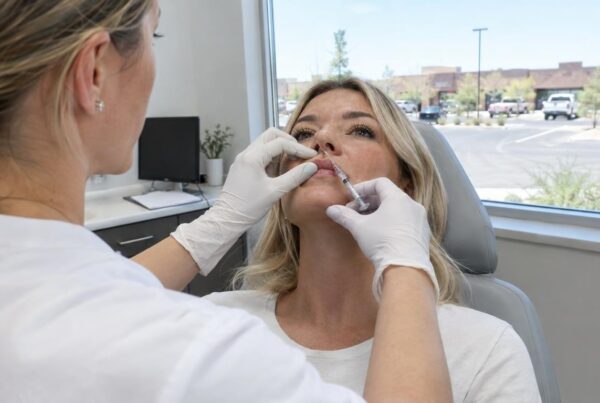
Lip augmentation describes any cosmetic procedure designed to increase lip fullness, improve shape, or enhance definition along the lip border. Dermal fillers, particularly those containing hyaluronic acid, have become the dominant approach because they offer immediate results without the recovery time associated with surgical alternatives. During treatment, a qualified practitioner injects the filler material strategically into specific areas of the lips to achieve the desired enhancement while maintaining natural proportions and movement.
Why Do Patients Choose Lip Augmentation?
Individuals seek lip augmentation for many reasons, and understanding these motivations helps practitioners tailor treatments to each person’s goals. Some patients have always desired fuller lips and view augmentation as a way to align their appearance with their self-image. Others notice that their lips have changed over time due to natural aging processes, and they want to restore volume that has been lost. Many patients appreciate that HA fillers offer a reversible option, meaning if they are dissatisfied with results, the filler can be dissolved, providing peace of mind that was unavailable with older permanent techniques.
What Causes Lips to Lose Volume Over Time?
The lips age alongside the rest of the face, through a combination of structural changes that become apparent over years and decades. The hyaluronic acid that naturally hydrates and plumps lip tissue gradually diminishes, causing lips to lose their youthful fullness and definition. Collagen and elastin fibers that provide structural support break down, leading to thinner lips and the development of vertical lines around the mouth often called “lipstick lines” or “perioral rhytids.” Environmental factors including sun exposure and lifestyle factors such as smoking accelerate these changes, making prevention and treatment important considerations for patients concerned about lip appearance.
Why Is Hyaluronic Acid the Preferred Filler Material for Lips?
Hyaluronic acid fillers have become the gold standard for lip augmentation because the material offers a combination of safety, reversibility, and natural-looking results that other options cannot match. HA is a naturally occurring substance found throughout the body, particularly in skin, joints, and eye tissue, which means it integrates well with existing tissues and carries minimal risk of allergic reaction. When injected into the lips, HA molecules attract and retain water, providing hydration and volume while maintaining a soft, natural feel that moves and feels like natural lip tissue.
How Does Hyaluronic Acid Integrate With Lip Tissue?
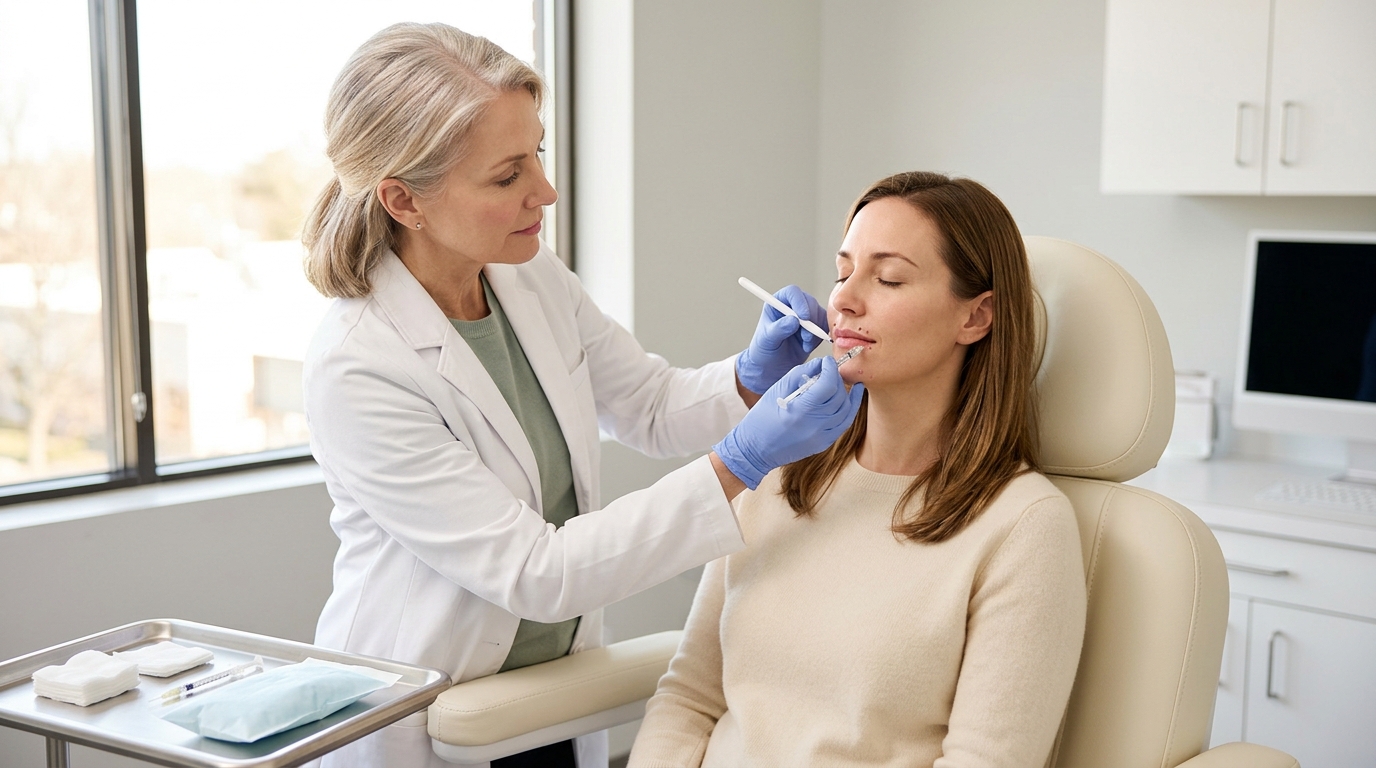
Once injected, HA fillers integrate with the surrounding lip tissue through a process called tissue incorporation, where the filler settles naturally among the existing structures rather than sitting as a distinct lump. The gel consistency allows for smooth distribution and predictable results when placed by an experienced practitioner. Modern HA fillers are formulated with varying particle sizes and cross-linking densities, allowing practitioners to select products best suited for different areas and desired outcomes, whether that means subtle enhancement of the lip border or more noticeable volume throughout the lips.
What Safety Profile Does HA Have for Lip Injections?
FDA-approved HA dermal fillers have undergone rigorous testing to establish their safety for lip augmentation, and clinical experience with millions of treatments worldwide supports their well-characterized safety profile. Because HA is biodegradable, any undesirable results gradually fade over time, and practitioners can accelerate this process using hyaluronidase, an enzyme that breaks down HA filler if needed.
What Can a Randomized Clinical Trial Tell Us About Lip Filler Results?
Beyond the primary objective, researchers observed that improvements persisted throughout the full 48-week study period, with both lip fullness and perioral wrinkle severity remaining better than baseline at the final assessment. Participant satisfaction scores remained high throughout the study, indicating that the objective improvements translated into meaningful experiences for the people who received treatment.
How Strong Is the Evidence Behind HA Lip Fillers?
Randomized controlled trials like this one sit at the top of the evidence hierarchy because they minimize the biases that can distort findings in less rigorous study designs. By randomly assigning participants to treatment groups, researchers ensure that factors such as age, lip anatomy, and baseline fullness are distributed evenly, meaning any differences in outcomes can be attributed to the treatment itself rather than pre-existing differences between groups. The evaluator-blinding adds another layer of rigor by preventing assessors from unconsciously favoring one treatment over another when measuring results, and the multicenter design by including sites across multiple geographic areas strengthens generalizability.
What Outcomes Did the Multicenter Study Measure?
The study employed multiple validated measurement approaches to capture a comprehensive picture of treatment effects, including standardized assessment scales for lip fullness and wrinkle severity. Beyond these objective clinical measures, researchers gathered participant-reported outcomes through satisfaction questionnaires and daily diary entries documenting how treatment felt during normal activities. The 48-week duration provided a realistic timeframe for evaluating how long improvements last, which is critical information for patients weighing the benefits and costs of any cosmetic procedure.
Who Is a Good Candidate for Lip Augmentation With Fillers?
BOTOX Cosmetic safety information from the FDA-approved label. BOTOX Cosmetic carries a boxed warning – the FDA’s most serious warning – that toxin effects can spread beyond the injection site, causing muscle weakness and swallowing or breathing trouble that can be life-threatening; deaths have been reported. Dysport, Xeomin, Jeuveau and Daxxify carry the same class boxed warning. It is contraindicated if you are allergic to any botulinum toxin product or its components, or have infection at the injection site. Neuromuscular disorders may increase these risks. FDA-approved label
Ideal candidates for HA lip filler treatments are generally healthy adults who have realistic expectations about what lip augmentation can achieve and understand both the benefits and limitations of the procedure. The treatment works well for individuals seeking to enhance naturally thin lips, restore volume lost through aging, improve lip symmetry, or define the lip border more clearly. Patients should disclose their complete medical history during consultation, including any allergies, previous cosmetic procedures, or medical conditions that might affect treatment planning or outcomes.
What Lip Concerns Can HA Fillers Address?
HA lip fillers can address a variety of aesthetic concerns, from subtle hydration that improves lip texture to more pronounced volume enhancement for patients desiring noticeably fuller lips. Practitioners commonly use HA fillers to define the vermillion border where the lip meets the surrounding skin, smooth vertical perioral lines that develop with age or smoking, add projection to flat lips, and create better balance between the upper and lower lip. The versatility of HA products allows for customized treatment plans targeting each patient’s specific concerns and aesthetic goals.
Is Lip Augmentation Right for Thin Lips or Uneven Lips?
Thin lips, whether hereditary or resulting from age-related volume loss, respond well to HA filler augmentation because the material adds volume while maintaining natural lip movement and sensation. Asymmetry between the upper and lower lip or unevenness across different areas of the lips can often be improved through strategic filler placement that balances proportions. Patients with significant asymmetry from congenital factors, trauma, or previous procedures may benefit most from a detailed consultation where a practitioner can assess their individual anatomy and recommend an appropriate treatment approach.
Risks, Side Effects and Who Is Not a Candidate
Like all medical procedures, lip augmentation with HA fillers carries potential risks and side effects that patients should understand before proceeding with treatment. Common side effects include temporary swelling, bruising, redness, and tenderness at the injection sites, which typically resolve within days to weeks depending on the individual and the extent of treatment. More uncommon but possible complications include infection, filler migration, nodule formation, vascular occlusion, and allergic reaction, though serious adverse events remain rare when treatments are performed by qualified practitioners using FDA-approved products. Patients with severe allergies, particularly to bacterial proteins or lidocaine if present in the filler formulation, should discuss their history thoroughly with their provider before treatment. Individuals with active skin infections, inflammatory conditions affecting the lips, or certain bleeding disorders may not be appropriate candidates for lip filler procedures. Pregnant or breastfeeding individuals are generally advised to postpone elective cosmetic treatments until after they have finished nursing, as a precautionary measure given the lack of specific safety data in these populations. Anyone considering lip augmentation should have a thorough consultation with a qualified practitioner to review their medical history, discuss realistic expectations, and ensure they understand both the benefits and potential risks of the procedure.

What Do These Clinical Findings Mean for Your Lip Augmentation Decision?
Gibson at Botox In Midland have observed in clinical practice: hyaluronic acid lip fillers provide meaningful, sustained enhancement with a favorable safety profile when administered by experienced professionals. For residents of Midland, Odessa, Big Spring, and the surrounding Permian Basin communities, this research reinforces that lip augmentation with HA fillers represents a scientifically validated option for achieving fuller, more defined lips without surgery. Understanding the clinical evidence helps patients approach their aesthetic goals with confidence, knowing their treatment decisions are grounded in rigorous science rather than marketing claims.
If you are considering lip augmentation and want to explore whether HA fillers are right for your goals, schedule a consultation with the team at Botox In Midland. Dr. Gibson and the experienced staff will review your concerns, explain your options based on the latest clinical evidence, and develop a personalized treatment plan tailored to your unique anatomy and aesthetic objectives. Contact Botox In Midland today to take the next step toward the lips you have envisioned.
Frequently Asked Questions
What did the clinical trials reveal about hyaluronic acid lip filler results?
Participant satisfaction scores stayed high throughout the study, confirming the treatment translates into positive patient experiences.
How long do hyaluronic acid lip fillers last?
According to the referenced clinical trial, HA lip filler results can last at least 48 weeks. The study monitored participants from treatment through the final visit, observing that improvements in lip fullness and perioral wrinkle severity remained sustained at the 48-week endpoint. Since HA is biodegradable, results gradually fade over time, though the treatment offers a reversible option for those seeking adjustments.
What is lip augmentation with hyaluronic acid fillers?
Lip augmentation describes any cosmetic procedure designed to increase lip fullness, improve shape, or enhance definition along the lip border. HA fillers have become the dominant approach because they offer immediate results without surgical recovery time. During treatment, a qualified practitioner strategically injects hyaluronic acid into specific areas of the lips to achieve natural-looking enhancement while maintaining proper proportions and movement.
Why is hyaluronic acid the preferred material for lip fillers?
HA fillers have become the gold standard because they offer a combination of safety, reversibility, and natural-looking results. Hyaluronic acid is a naturally occurring substance found in skin, joints, and eye tissue, meaning it integrates well with existing tissues and carries minimal allergy risk. The material attracts and retains water, providing hydration and volume while maintaining a soft feel. If results are undesirable, hyaluronidase can dissolve the filler.
Who is a good candidate for lip augmentation with fillers?
Ideal candidates are generally healthy adults who have realistic expectations about what lip augmentation can achieve. The treatment works well for individuals seeking to enhance naturally thin lips, restore volume lost through aging, improve lip symmetry, or define the lip border more clearly. Patients should disclose their complete medical history during consultation, including any allergies, previous cosmetic procedures, or medical conditions that might affect treatment planning.
What are the common side effects after lip filler treatment?
Common side effects include temporary swelling, bruising, redness, and tenderness at the injection sites, which typically resolve within days to weeks depending on the individual and extent of treatment. More uncommon complications such as infection or filler migration are rare when treatments are performed by qualified practitioners using FDA-approved products.
How does lip augmentation address thin or uneven lips?
HA lip fillers work well for both thin lips and asymmetry concerns. For thin lips, whether hereditary or from age-related volume loss, HA adds volume while maintaining natural lip movement and sensation. For asymmetry or unevenness, strategic filler placement can balance proportions between the upper and lower lip or correct irregularities across different areas. Practitioners select from products with varying particle sizes to customize treatment for each patient’s specific anatomy and goals.
Related reading
- Lip Augmentation Options for Natural-Looking Results in West Texas
- Lip Augmentation in West Texas: Expert Enhancement for Natural Results
- Dermal Fillers: Your Complete Guide to Facial Restoration
This article is general information and is not medical advice. Talk to a licensed clinician about your own situation before making a treatment decision.