Last updated: August 5, 2026
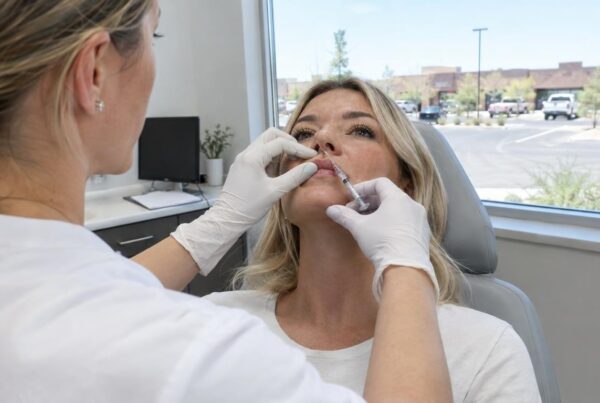
Midland-area patients seeking advanced facial contouring now have a new option backed by the most recent FDA regulatory milestone for hyaluronic acid fillers. On September 18, 2025, the FDA expanded approval for Teoxane’s RHA®4 and RHA Dynamic Volume to include cheek augmentation and correction of age-related midface contour deficiencies in adults 22 and older. This expanded clearance means patients across the Permian Basin – including those in Odessa, Andrews, and Big Spring – can now access a single, resilient hyaluronic acid filler for both dynamic wrinkle treatment and structural cheek enhancement from a trusted MedSpa provider.
What Is the New FDA Approval for RHA Fillers?
The FDA has granted expanded clearance for RHA®4 and RHA Dynamic Volume to address cheek augmentation and midface contour deficiencies alongside their established use for dynamic wrinkles and folds. This September 2025 approval (PMA P170002/S048) marks a significant regulatory milestone for resilient hyaluronic acid fillers in the United States.
When Did the FDA Expand RHA Filler Approval?
Teoxane’s RHA®4 and RHA Dynamic Volume received expanded FDA approval on September 18, 2025. The original approval for RHA Dynamic Volume (then marketed as RHA®4 Mepi) was granted on October 13, 2023, for correction of dynamic wrinkles and folds. The new clearance builds upon this foundation, adding structural cheek augmentation to the approved indication portfolio for adult patients seeking midface enhancement.
What Areas Does the New RHA Approval Cover?
The expanded approval covers subcutaneous-to-supraperiosteal injection for cheek augmentation and correction of age-related midface contour deficiencies in adults 22 years and older. This expands the previous indication, which was limited to dynamic wrinkle and nasolabial fold correction. The approval provides clinicians with an FDA-cleared option specifically studied for the unique demands of the midface region, where dynamic movement and structural support intersect.
How Does RHA Dynamic Volume Work for Cheek Augmentation?
RHA Dynamic Volume employs resilient hyaluronic acid technology specifically engineered to withstand the mechanical stresses of dynamic facial areas. Unlike traditional fillers designed primarily for static injection, RHA’s formulation allows the gel to flex naturally with facial expressions while maintaining structural integrity in the midface region.

What Is the Injection Technique for RHA Cheek Treatment?
The approved injection approach for RHA cheek augmentation involves subcutaneous-to-supraperiosteal placement. This technique allows the filler to sit at varying depths depending on the patient’s anatomy and aesthetic goals – sometimes resting directly above the bone (supraperiosteal) for structural lift, other times in the subcutaneous plane for softer, more natural-feeling enhancement. In clinical practice, precise mapping and injection along the cheekbone and midface region help restore volume while preserving natural facial dynamics.
Why Does RHA’s Formulation Suit Dynamic Facial Areas?
RHA’s resilient hyaluronic acid technology is specifically engineered to mimic the natural HA found in human skin while offering enhanced durability under dynamic conditions. The cross-linking process preserves longer hyaluronic acid chains, creating a gel that moves naturally with facial expressions without breaking down prematurely. This resilience makes RHA particularly well-suited for the cheeks, where constant movement from smiling, talking, and expressing emotions demands a filler that can withstand repeated mechanical stress while maintaining its corrective effect.
What Clinical Data Supports the RHA Cheek Augmentation Approval?
The FDA’s expanded clearance for RHA Dynamic Volume in cheek augmentation is supported by robust clinical evidence, including prospective randomized controlled trial data and a comprehensive Summary of Safety and Effectiveness Data (SSED).
What Did the 64-Week Study Demonstrate?
A 64-week prospective multicenter randomized double-blind study evaluated the efficacy and safety of RHA filler treatment. The study demonstrated sustained correction of nasolabial folds, with the SSED providing additional support for the expanded cheek indication. Industry data consistently shows that resilient hyaluronic acid fillers provide durable results in dynamic facial areas, and this study contributed to the evidence base supporting FDA approval for structural midface applications.
How Strong Is the Evidence for RHA’s Expanded Use?
The evidence supporting the cheek augmentation approval draws from both the original nasolabial fold correction data and supplementary clinical evaluation. The prospective, randomized, double-blind design represents the highest standard of clinical evidence for aesthetic devices. According to the Summary of Safety and Effectiveness Data, the safety profile established during the initial approval period translated favorably to the expanded indication, supporting FDA confidence in the product’s use for structural midface enhancement.
Who Is a Good Candidate for RHA Cheek Augmentation?
Adults 22 years and older experiencing midface volume deficiency, flattening of the cheekbones, or age-related contour changes represent ideal candidates for RHA cheek augmentation. The expanded FDA approval specifically addresses adults seeking correction of midface contour deficiencies through a minimally invasive approach.
What Age-Related Concerns Does RHA Address?
As the face ages, loss of fat padding in the midface creates a hollowed or flattened appearance that can make individuals look older or more tired than they feel. RHA Dynamic Volume addresses hollow cheeks, sunken temples, and the general flattening of facial contours that occur with volume loss. Patients in their late twenties through sixties who have noticed these changes benefit from the structural support and subtle lift that cheek augmentation provides. The treatment also helps restore definition that may have diminished due to weight fluctuations, genetics, or the natural aging process.
How Is RHA Different for Patients 22 and Older?
The FDA approval specifies adults 22 and older, recognizing that younger patients may seek prophylactic enhancement or correction of congenital midface deficiencies. For younger patients, RHA Dynamic Volume offers subtle refinement – enhancing cheekbone definition, restoring volume after weight loss, or addressing asymmetry. For older patients, the filler restores facial volume lost to aging while maintaining a natural look that moves fluidly with facial expressions. The versatile formulation adapts to different aesthetic goals across the adult age spectrum.
What Other Concerns Can RHA Fillers Treat?
Beyond cheek augmentation, RHA Dynamic Volume maintains its proven versatility for treating dynamic wrinkles, facial folds, and volume concerns throughout the face. The resilient hyaluronic acid formulation performs well across multiple treatment areas, making it a valuable tool for comprehensive facial rejuvenation.
Can RHA Fillers Address Dynamic Wrinkles and Folds?
RHA fillers excel at treating dynamic wrinkles and folds, including smile lines (nasolabial folds), marionette lines, forehead frown lines, and crow’s feet. The original FDA approval specifically covered these areas, and the resilient formulation handles the constant movement of these regions better than traditional hyaluronic acid fillers. Patients who have experienced filler migration or rapid breakdown in dynamic areas often find RHA’s durability provides more consistent, natural-looking results.
How Versatile Is a Single RHA Product for Multiple Areas?
A single RHA Dynamic Volume syringe can address multiple concerns – from augmenting cheeks to softening nasolabial folds to enhancing lip borders. This versatility streamlines treatment planning and allows providers to customize approaches based on individual patient anatomy. For patients seeking comprehensive facial rejuvenation, RHA offers a cohesive solution that moves naturally across all treated areas, maintaining consistent texture and appearance whether addressing hollow cheeks, chin wrinkles, lip lines, or under-eye hollows.
Why Choose an FDA-Approved RHA Provider in the Permian Basin?
Selecting a provider who offers FDA-approved RHA fillers ensures you receive genuine, properly studied products administered according to evidence-based protocols. In the Permian Basin, patients in Midland, Stanton, Big Spring, and surrounding communities benefit from local access to these advanced treatments without traveling to larger metropolitan areas.

What Should You Look for in an RHA Filler Provider?
When seeking RHA filler treatment, look for a provider with specific training in hyaluronic acid injection techniques and experience with the unique characteristics of resilient HA products. Dr. Gibson and the team at Botox In Midland offer personalized consultation to assess facial anatomy, discuss aesthetic goals, and determine the optimal treatment approach. A qualified provider should discuss expected outcomes, potential considerations, and create a customized treatment plan that addresses your specific concerns – whether targeting hollow cheeks, weak jawline definition, or facial volume loss.
How Does FDA Approval Benefit Midland Patients?
FDA approval provides assurance that RHA Dynamic Volume has undergone rigorous clinical evaluation for safety and efficacy. For Midland-area patients, this means access to a filler specifically studied for the midface region and approved for structural augmentation – not just temporary smoothing. The approval also means clearer regulatory guidance for providers, ensuring consistent standards of care. Patients across the Permian Basin – including those in Odessa, Andrews, Crane, Seminole, Fort Stockton, and Pecos – can now receive this FDA-approved treatment from a trusted local provider with expertise in injectable aesthetics.
If you’re considering RHA Dynamic Volume for cheek augmentation, facial volume restoration, or dynamic wrinkle correction, schedule a consultation with Dr. Gibson at Botox In Midland. Our team provides thorough assessments and customized treatment plans for patients throughout Midland, Odessa, and the surrounding West Texas communities. Contact us today to learn whether RHA fillers are right for your aesthetic goals and take the first step toward achieving natural-looking facial enhancement with an FDA-approved solution.
Frequently Asked Questions
What is the new FDA approval for RHA Dynamic Volume fillers?
On September 18, 2025, the FDA expanded approval for Teoxane’s RHA®4 and RHA Dynamic Volume to include cheek augmentation and correction of age-related midface contour deficiencies in adults 22 and older. This builds upon their original 2023 approval for dynamic wrinkles and folds, adding structural midface enhancement to the approved indication portfolio.
When did the FDA expand RHA filler approval for cheek augmentation?
The FDA granted expanded clearance for RHA Dynamic Volume on September 18, 2025, under PMA P170002/S048. The original approval for RHA Dynamic Volume was granted on October 13, 2023, for correction of dynamic wrinkles and folds. The new clearance adds structural cheek augmentation for adult patients seeking midface enhancement.
How does RHA Dynamic Volume work for cheek augmentation?
RHA Dynamic Volume uses resilient hyaluronic acid technology engineered to withstand mechanical stresses in dynamic facial areas. The gel flexes naturally with facial expressions while maintaining structural integrity in the midface. The injection technique involves subcutaneous-to-supraperiosteal placement at varying depths depending on patient anatomy and aesthetic goals.
Who is a good candidate for RHA cheek augmentation?
Adults 22 years and older experiencing midface volume deficiency, flattening of the cheekbones, or age-related contour changes are ideal candidates. Patients in their late twenties through sixties benefit from RHA’s structural support and subtle lift. The filler restores volume lost to aging while maintaining natural-looking results that move fluidly with facial expressions.
How long do RHA cheek augmentation results last?
A 64-week prospective multicenter randomized double-blind study demonstrated sustained correction with RHA filler treatment. The resilient hyaluronic acid formulation provides durable results in dynamic facial areas. Clinical evidence shows that RHA maintains its corrective effect despite repeated mechanical stress from facial expressions.
What other areas can RHA fillers treat besides the cheeks?
Beyond cheek augmentation, RHA Dynamic Volume effectively treats dynamic wrinkles and folds including nasolabial folds, marionette lines, forehead frown lines, and crow’s feet. The versatile formulation also addresses hollow cheeks, chin wrinkles, lip lines, and under-eye hollows, making it suitable for comprehensive facial rejuvenation.